
New or Changing Moles: When to Worry
- posted: Feb. 06, 2026
At South County Dermatology, we regularly speak with patients across East Greenwich, Narragansett, Westerly, Barrington, and Cranston, RI who have questions about skin changes they notice at home. New spots, darker patches, or long-standing marks that suddenly look different often raise concern. Understanding which changes deserve medical attention and which do not helps patients feel more confident and proactive about their skin health.
What Makes a Mole Worth Checking
Not every mole requires evaluation, but certain changes signal the need for a dermatology visit. We recommend scheduling an appointment if a mole begins to grow, changes color, develops irregular borders, or looks different from others on your skin. Symptoms such as itching, bleeding, crusting, or pain also warrant professional assessment. Moles that appear after age 30 or evolve quickly over a few weeks should receive particular attention. These features may indicate atypical growth or early skin cancer, and prompt evaluation allows us to act early when treatment works best.
When a Mole Is Usually Not Concerning
Many moles remain harmless throughout a person’s life. Flat, evenly colored moles with smooth borders that remain stable over time rarely require treatment. Small moles present since childhood often fall into this category. We encourage patients to monitor these areas with routine self-checks rather than immediate visits, especially if no changes occur over months or years.
Safe At-Home Monitoring
At-home care focuses on observation, not removal. We advise against cutting, burning, or applying over-the-counter removal products to moles, as these methods can cause infection, scarring, or delayed diagnosis. Instead, patients can photograph their skin every few months to track subtle changes and practice sun protection. Daily sunscreen use and protective clothing reduce irritation and limit the risk of problematic skin changes.
What Dermatologic Care for Moles Involves
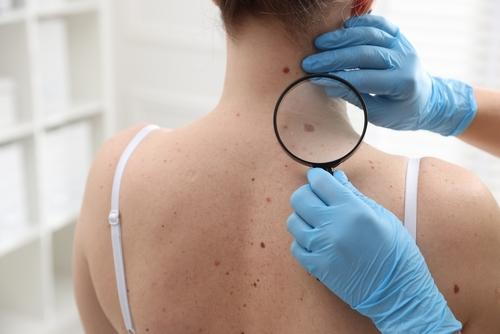
When patients visit South County Dermatology, we perform a thorough skin examination and evaluate moles using clinical assessment tools. If a mole appears suspicious, we may recommend a biopsy, which involves safely removing a small sample under local anesthesia. We then send the tissue to a laboratory for analysis. If removal proves necessary, we use precise techniques designed to minimize discomfort and scarring while ensuring complete treatment.
When to Reach Out
If you notice new or changing moles and want expert guidance, we encourage you to contact South County Dermatology. With offices in East Greenwich, Narragansett, Westerly, Barrington, and Cranston, RI, our team provides careful evaluation and clear recommendations tailored to your skin. Call (401) 471-3376 to schedule an appointment and address your concerns with confidence.
- posted: Feb. 06, 2026
At South County Dermatology, we regularly speak with patients across East Greenwich, Narragansett, Westerly, Barrington, and Cranston, RI who have questions about skin changes they notice at home. New spots, darker patches, or long-standing marks that suddenly look different often raise concern. Understanding which changes deserve medical attention and which do not helps patients feel more confident and proactive about their skin health.
What Makes a Mole Worth Checking
Not every mole requires evaluation, but certain changes signal the need for a dermatology visit. We recommend scheduling an appointment if a mole begins to grow, changes color, develops irregular borders, or looks different from others on your skin. Symptoms such as itching, bleeding, crusting, or pain also warrant professional assessment. Moles that appear after age 30 or evolve quickly over a few weeks should receive particular attention. These features may indicate atypical growth or early skin cancer, and prompt evaluation allows us to act early when treatment works best.
When a Mole Is Usually Not Concerning
Many moles remain harmless throughout a person’s life. Flat, evenly colored moles with smooth borders that remain stable over time rarely require treatment. Small moles present since childhood often fall into this category. We encourage patients to monitor these areas with routine self-checks rather than immediate visits, especially if no changes occur over months or years.
Safe At-Home Monitoring
At-home care focuses on observation, not removal. We advise against cutting, burning, or applying over-the-counter removal products to moles, as these methods can cause infection, scarring, or delayed diagnosis. Instead, patients can photograph their skin every few months to track subtle changes and practice sun protection. Daily sunscreen use and protective clothing reduce irritation and limit the risk of problematic skin changes.
What Dermatologic Care for Moles Involves
When patients visit South County Dermatology, we perform a thorough skin examination and evaluate moles using clinical assessment tools. If a mole appears suspicious, we may recommend a biopsy, which involves safely removing a small sample under local anesthesia. We then send the tissue to a laboratory for analysis. If removal proves necessary, we use precise techniques designed to minimize discomfort and scarring while ensuring complete treatment.
When to Reach Out
If you notice new or changing moles and want expert guidance, we encourage you to contact South County Dermatology. With offices in East Greenwich, Narragansett, Westerly, Barrington, and Cranston, RI, our team provides careful evaluation and clear recommendations tailored to your skin. Call (401) 471-3376 to schedule an appointment and address your concerns with confidence.
Our Locations
