
Eczema vs. Psoriasis: Differentiating Chronic Skin Rashes
- posted: Jan. 14, 2026
Chronic skin rashes can be uncomfortable, unsightly, and confusing for those experiencing them. Eczema and psoriasis are two of the most common conditions that cause long-lasting rashes, yet they have distinct characteristics and underlying causes. At South County Dermatology in East Greenwich, RI, patients are carefully evaluated to determine the specific condition affecting their skin. Early and accurate diagnosis is key to effective treatment, symptom relief, and preventing further irritation or complications.
Eczema: Causes and Symptoms
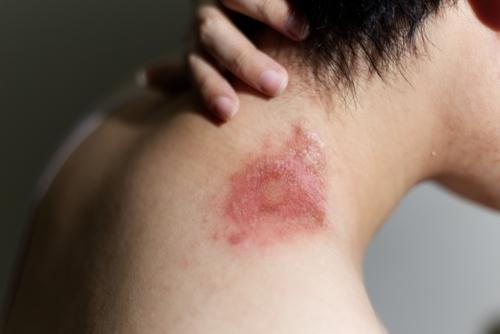
Eczema, also known as atopic dermatitis, is a condition characterized by dry, itchy, and inflamed skin. It often develops in response to environmental triggers, allergens, or genetic factors that affect the skin’s barrier function. Patients with eczema may experience red or brownish patches, scaling, and persistent itching that worsens with exposure to irritants or stress. The skin may also become thickened or develop small blisters in areas of frequent scratching. Understanding these signs helps guide treatment strategies that focus on hydration, irritation reduction, and immune regulation.
Psoriasis: Causes and Symptoms
Psoriasis is an autoimmune condition in which the body produces skin cells at an accelerated rate, leading to thick, scaly plaques. Unlike eczema, psoriasis commonly appears as well-defined patches with silvery-white scales, often on the scalp, elbows, knees, or lower back. It can also be associated with joint pain or psoriatic arthritis in some patients. Flare-ups may be triggered by stress, infections, certain medications, or environmental factors. Correctly identifying psoriasis is important to manage inflammation, prevent progression, and maintain overall skin health.
Differentiating Between Eczema and Psoriasis
While eczema and psoriasis can appear similar, several factors help differentiate them. Eczema usually causes more intense itching, affects the folds of the skin, and often appears in childhood. Psoriasis typically presents with thicker, scaly plaques, has a slower onset, and is less likely to itch intensely. Skin biopsy and medical evaluation may be necessary for a definitive diagnosis, ensuring that treatment is tailored to the specific condition. At South County Dermatology, patients receive personalized care plans that target their unique skin needs, combining topical treatments, lifestyle guidance, and in-office therapies when appropriate.
Taking the First Step Toward Healthy Skin
For individuals struggling with persistent rashes or unclear skin conditions, South County Dermatology in East Greenwich, RI, provides expert evaluation and customized treatment plans to address eczema, psoriasis, and other chronic skin issues. Early intervention can reduce discomfort, prevent complications, and improve overall skin health. To begin your path toward clearer, healthier skin, contact South County Dermatology at 401-471-3376 to schedule an appointment today.
- posted: Jan. 14, 2026
Chronic skin rashes can be uncomfortable, unsightly, and confusing for those experiencing them. Eczema and psoriasis are two of the most common conditions that cause long-lasting rashes, yet they have distinct characteristics and underlying causes. At South County Dermatology in East Greenwich, RI, patients are carefully evaluated to determine the specific condition affecting their skin. Early and accurate diagnosis is key to effective treatment, symptom relief, and preventing further irritation or complications.
Eczema: Causes and Symptoms
Eczema, also known as atopic dermatitis, is a condition characterized by dry, itchy, and inflamed skin. It often develops in response to environmental triggers, allergens, or genetic factors that affect the skin’s barrier function. Patients with eczema may experience red or brownish patches, scaling, and persistent itching that worsens with exposure to irritants or stress. The skin may also become thickened or develop small blisters in areas of frequent scratching. Understanding these signs helps guide treatment strategies that focus on hydration, irritation reduction, and immune regulation.
Psoriasis: Causes and Symptoms
Psoriasis is an autoimmune condition in which the body produces skin cells at an accelerated rate, leading to thick, scaly plaques. Unlike eczema, psoriasis commonly appears as well-defined patches with silvery-white scales, often on the scalp, elbows, knees, or lower back. It can also be associated with joint pain or psoriatic arthritis in some patients. Flare-ups may be triggered by stress, infections, certain medications, or environmental factors. Correctly identifying psoriasis is important to manage inflammation, prevent progression, and maintain overall skin health.
Differentiating Between Eczema and Psoriasis
While eczema and psoriasis can appear similar, several factors help differentiate them. Eczema usually causes more intense itching, affects the folds of the skin, and often appears in childhood. Psoriasis typically presents with thicker, scaly plaques, has a slower onset, and is less likely to itch intensely. Skin biopsy and medical evaluation may be necessary for a definitive diagnosis, ensuring that treatment is tailored to the specific condition. At South County Dermatology, patients receive personalized care plans that target their unique skin needs, combining topical treatments, lifestyle guidance, and in-office therapies when appropriate.
Taking the First Step Toward Healthy Skin
For individuals struggling with persistent rashes or unclear skin conditions, South County Dermatology in East Greenwich, RI, provides expert evaluation and customized treatment plans to address eczema, psoriasis, and other chronic skin issues. Early intervention can reduce discomfort, prevent complications, and improve overall skin health. To begin your path toward clearer, healthier skin, contact South County Dermatology at 401-471-3376 to schedule an appointment today.
Our Locations
